
"Puerto Rican coffee history"
300 article(s) found

The method of describing the Flavor of Puerto Rico single Bean Coffee Bean planting Historical cultivated varieties
For the exchange of professional baristas, please pay attention to the basic information about Yuke in the coffee workshop (Wechat official account cafe_style). If you have seen it before, the following information can skip Yauco Selecto AA is a quality coffee located in Puerto Rico. It is a well-known island bean, on a par with Hawaiian Cona beans and good beans from the Caribbean. Puer

American Puerto Rico Fine Coffee Bean Flavor Evaluation, Description, Origin Description and Roasting Advice
Puerto Rico's new crop coffee is a mild, supple, well-balanced island bean with an attractive single-malt sweet dry aroma, extremely sweet in the cup, and a medium toasted creamy and greasy texture that is often appropriate for Puerto Rico island beans. The whole history of Caribbean coffee has a lot to do with the Spanish name transfer. In the 18th century, coffee was cultivated everywhere.

Introduction to the characteristics of Puerto Rican Coffee Flavor Manor with Pure, aromatic and heavy granule
In 1898, the Spanish-American War broke out and Spain was defeated. According to the Treaty of Paris, Puerto Rico was ceded to the United States. The administrative jurisdiction of the United States over Puerto Rico first took the form of a military junta. During its two years of governance of the island, the junta established schools, roads, railways, hospitals and health facilities. In 1900, the United States Congress established civilian control over the island. The Governor, the Cabinet and

Puerto Rican Coffee Flavor and Taste introduction to the Origin of Puerto Rico Coffee
It is also a kind of coffee with almost no bitter taste, and its strong aromatic flavor is especially suitable for drinking after meals.

Puerto Rican coffee producing area Puerto Rico coffee bean flavor
In the coffee industry, when it comes to coffee from the island, I think you must be no stranger to the Blue Mountains of Jamaica and Kona of Hawaii, which are famous boutique coffee. In fact, if we talk about coffee from island origin, there is another kind of coffee that is worth talking about and tasting, and that is Puerto Rico. If you look for its location on the earth, it may not be easy to find. Let's learn about it together.

Introduction of pure Puerto Rican coffee-flavored manors
Puerto Rico's coffee beans are carefully planted, pure, aromatic and heavy, of which the best coffee is Yauco Selecto, which means Selecto. Yaocote Coffee is grown only on three farms in the southwest of the island, San Pedro, Caracolillo and La Juanita. It is a truly high-quality coffee with a strong flavor and a long aftertaste. Puerto Rico

Introduction of Puerto Rican Coffee Flavor and Flavor Manor with unique conditions
Yaoke Yauco is an area of 176.5 square kilometers in southern Poland, named for its production of Tainos, but local residents prefer to call themselves la Ciudad del Caf (Coffee City) and la Capital Tana (Tainos Center). In the 1860s, immigrants from Corsican improved the cultivation of coffee and pioneered the application of flower stickers to the removal of coffee.

Introduction to San Pedro Manor with a strong flavor of Puerto Rican coffee
Puerto Ricans are the general name of the residents of United States Puerto Rico in Central America and the Caribbean. There are about 3.4 million people (1979). Spanish and English are widely used. More Catholic. The earliest inhabitants of Puerto Rico were Arawak and Caribbean Indians. In 2012, whites of European origin accounted for about 73% of the population, mixed-race people accounted for 23%, and blacks accounted for 4%. There are more than 20,000 Americans and others.

Description of Puerto Rican Coffee Flavor with Fine and soft acidity introduction to the characteristics of the varieties of Grinding degree
Yaocote, a gourmet coffee from Puerto Rico, is grown only on three farms in the southwest of the island. It has a strong flavor and a long aftertaste. This kind of coffee is very expensive and its flavor is comparable to that of any other coffee variety in the world. In the Yauco area, the coffee is owned and operated by local planters. The mountain climate here is mild and the plants are long.

Characteristics of Puerto Rican Coffee Variety producing area introduction of Fine Coffee Bean Flavor Manor
Puerto Rico covers an area of 13790 square kilometers, with mountains and hills accounting for 3x4 of the island. The central mountain range stretches from east to west, stretching from Puerto Rico to Puerto Rico, from high to low, with the coast as a plain. The highest peak, Mount Pengta, is 1338 meters above sea level. Belongs to the tropical rain forest climate, [8] the rainfall is sufficient, the average temperature in January is 24 ℃, the average temperature in July is 27 ℃. Vulnerable to hurricanes

Puerto Rican coffee beans endowed with unique flavor introduce boutique coffee
Puerto Rico's coffee beans are carefully planted, pure, aromatic and heavy, of which the best coffee is Yauco Selecto, which means Selecto. Yaocote Coffee is grown only on three farms in the southwest of the island, San Pedro, Caracolillo and La Juanita. It is a truly high-quality coffee with a strong flavor and a long aftertaste. Puerto Rico

Introduction of Pure and aromatic Puerto Rican Coffee Flavor Variety
In 1898, the Spanish-American War broke out and Spain was defeated. According to the Treaty of Paris, Puerto Rico was ceded to the United States. The administrative jurisdiction of the United States over Puerto Rico first took the form of a military junta. During its two years of governance of the island, the junta established schools, roads, railways, hospitals and health facilities. In 1900, the United States Congress established civilian control over the island. The Governor, the Cabinet and

Escoki, Puerto Rico. Growing history of Yaoke Selecto Yauco specialty coffee?
Professional coffee knowledge exchange more coffee bean information please follow the coffee workshop (Wechat official account cafe_style) Escoki multi-producing area of Puerto Rico | Yaoke Escogido Yauco specialty coffee growing history? Yocott's choice of coffee is the best in the world. In 1736, coffee trees were introduced from Martinique to Puertp Rico. Most of the early coffee was made by Cosey.

A brief introduction to the planting market price of Puerto Rican boutique coffee beans with unique flavor
Island Coffee-Puerto Rico in Spanish, Puerto Rico means port of wealth. The history of coffee in Puerto Rico dates back to 1736, when coffee seedlings were brought into the country by early Spanish settlers. In the 18th world, sugar cane was the main economic crop, so little attention was paid to it. At the beginning of the 19th century, the French began to play a role in European politics.
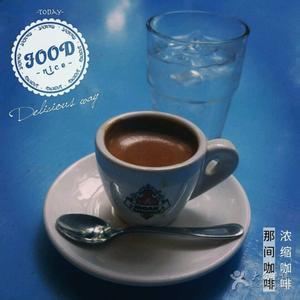
Introduction to the characteristics of Puerto Rican Coffee Flavor Manor with Pure, aromatic and heavy granule
In 1898, the Spanish-American War broke out and Spain was defeated. According to the Treaty of Paris, Puerto Rico was ceded to the United States. The administrative jurisdiction of the United States over Puerto Rico first took the form of a military junta. During its two years of governance of the island, the junta established schools, roads, railways, hospitals and health facilities. In 1900, the United States Congress established civilian control over the island. The Governor, the Cabinet and

A brief introduction to the cultivation of acid-stable Puerto Rican boutique coffee beans, geographical location, climate and altitude
Relevant U.S. government employees, such as FDA and USEA, will also be present at the transaction, and they are here to monitor producers' compliance with federal regulations. There are also professional evaluators who randomly take one bag of coffee from every 50 bags as samples and use international gauges to identify the quality of coffee beans, all in order to ensure the quality of the real Yaocote selected coffee.

Description of Puerto Rican Coffee Variety characteristics and Flavor introduction to the taste of high-quality coffee beans in producing areas
In 1898, the Spanish-American War broke out and Spain was defeated. According to the Treaty of Paris, Puerto Rico was ceded to the United States. The administrative jurisdiction of the United States over Puerto Rico first took the form of a military junta. During its two years of governance of the island, the junta established schools, roads, railways, hospitals and health facilities. In 1900, the United States Congress established civilian control over the island. The Governor, the Cabinet and

Smooth and balanced Coffee Flavor description of San Pedro Manor, Puerto Rico introduction to the characteristics of Grinding degree
Puerto Rico, as a territory outside the territory of the United States, is rarely heard of, and most people may know that it is a tourist resort rich in Miss World. As one of the few island countries in the Caribbean, the country, which the Spaniards call the port of wealth, had a blank history before Columbus discovered the New World. Yaoke Yauco is an area of 176.5 square meters in the south of Poland.

A brief introduction to the origin, development, history and culture of Larez Yaoke boutique coffee beans with unique flavor
The whole history of coffee in the Caribbean has a lot to do with Spanish reclamation. Coffee was not that important in the 18th century. The main job was to grow sugar-producing crops in fertile valleys. In the early 19th century (1800), the residents of Corsica in the French Mediterranean moved to Puerto Rico because the valleys had been occupied by Spanish immigrants.